Faculty, Fittings and Fine Glass: A Church Commission Roadmap
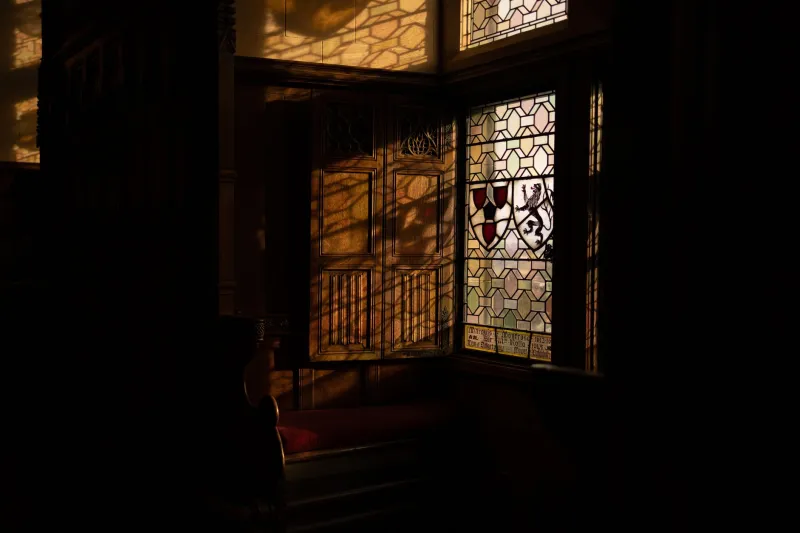
Photo: NateBergin, CC BY 4.0, via Wikimedia Commons
Commissioning a stained-glass window for a UK church can feel like arranging a wedding, a building project and a committee meeting all at once. There is the building to consider, the congregation to consult, the diocese to satisfy and the small matter of raising the money. It is not a quick job. But it is a process, and once you understand the route, it becomes much less intimidating.
This guide is written for 2026, for parishes and church communities beginning to think about new glass or the care of historic windows. It is not a substitute for professional conservation advice or the guidance of your diocesan advisory committee, but it should help you ask better questions and avoid the common wrong turns.
Step 1: Start with the building, not the sketch
It is tempting to begin with a design idea. Resist that for a moment. A church window is part of a building, and the building has a history, a setting and a conservation story. Before anyone draws a single cartoon, gather the basics: the age of the church, the listing status, the history of the window opening and any existing glass.
Ask whether there is a Statement of Significance for the building and a Statement of Need for the project. These documents explain why the building matters and why the change is necessary. They are not red tape for its own sake. They help the diocese, the conservation officer and the studio understand the project in context.
Step 2: Understand who decides what
In the Church of England, faculty jurisdiction governs many changes to church buildings. The Parochial Church Council, or PCC, usually leads the project, but the diocesan advisory committee, often called the DAC, gives expert advice. The Diocesan Chancellor makes the final faculty decision. If the church is listed, Historic England may also be consulted. Local conservation officers and architects may be involved too.
The exact route depends on the faculty system in your diocese and the scale of the work. Minor repairs may be handled differently from a new window. Ask your DAC early, before you fall in love with a design. Early advice is not a delay; it is a shortcut.
Step 3: Choose a maker with the right experience
Not every stained-glass studio works on churches. Not every church project needs the same specialist. Look for a maker with relevant experience, good references and a clear process. If historic glass is involved, conservation expertise matters. If the project is a new window, design and fabrication experience matter just as much.
Questions worth asking:
- Have you worked with DACs and faculty applications before?
- Can you show examples of church commissions at a similar scale?
- How do you approach design for an historic building?
- Will you provide samples of glass and leadwork?
- What is your expected timeline from design approval to installation?
- How do you handle installation, scaffolding and making good?
- What aftercare and maintenance advice do you provide?
- Are you insured for work in occupied buildings?
Ask for references and follow them up. A good studio will not mind.
Step 4: Budget for the whole job
The glass itself is only part of the cost. A realistic budget should include design fees, fabrication, installation, scaffolding, protective glazing where needed, faculty fees, professional fees and a contingency. For new glass, a small lancet might sit in the low tens of thousands of pounds; a large east window can run well into six figures. These are broad ranges, not quotes. Every project is different.
Fundraising often takes longer than fabrication. Start early and be honest about what the parish can sustain. A well-made smaller window is usually a better legacy than an underfunded grand scheme.
Step 5: Treat conservation as part of the design
For historic glass, the first question is whether the existing window can be repaired rather than replaced. Lead corrosion, broken quarries and loose saddle bars are common issues. Conservation work should be documented, reversible where possible and carried out with appropriate materials. Protective glazing can help, but it must be ventilated correctly. Poorly installed protection can trap moisture and cause more harm than good.
New glass should respect the building without pretending to be old. Scale, colour, lead lines and light transmission all matter. A designer who understands the interior light at different times of day will produce a better window than one who works only from photographs.
Step 6: Allow a realistic timeline
A church commission often takes 9 to 18 months from first conversation to installation. Faculty processes, fundraising, design development and fabrication all take time. A worked example helps: imagine a Grade II listed parish church with a small south aisle window. The PCC wants a memorial window, the DAC advises on design and materials, and the faculty is granted after several months. The studio develops a design, makes samples, fabricates the panel and installs it in September 2026. The project takes about a year and costs around £18,000, including installation and a modest contingency. That is not unusual.
Step 7: Plan for care after installation
A new window is not finished when the scaffolding comes down. Ask for maintenance advice, keep a record of materials and fixes, and arrange regular inspections. Cleaning should be gentle and occasional. Ventilation matters. So does watching for loose lead, cracked glass or water ingress. Historic glass especially benefits from a calm, well-documented approach rather than enthusiastic intervention.
The takeaway
A church window commission is a long conversation between building, community, craft and conservation. The process can feel slow, but that is often because it is doing something worthwhile. Start with advice, choose your maker carefully, budget for the whole job and keep the building at the centre of the decisions. The result should not just be a beautiful window. It should be a window that belongs.