Grey Skies, Golden Glass: Winter Light Ideas for UK Homes
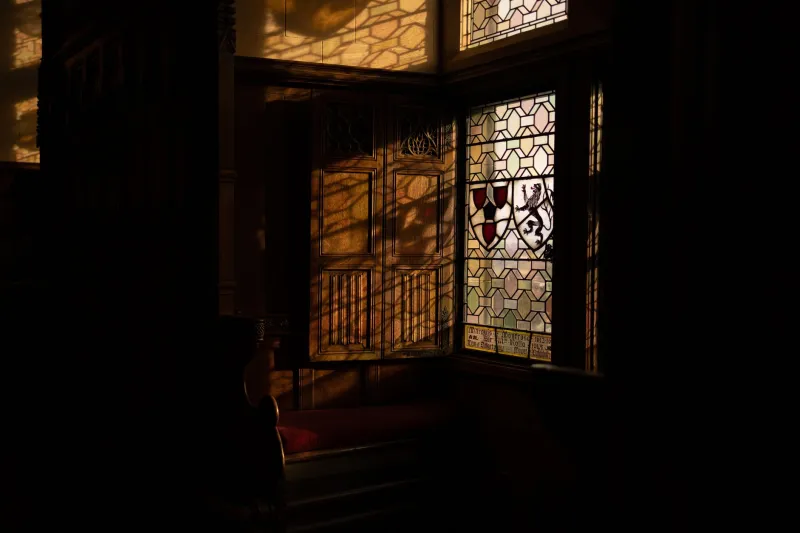
By early November 2026, most of us have accepted the annual bargain: the clocks go back, the garden stops pretending, and the sky settles into its grey flannel phase. Winter light in the UK is not dramatic. It is low, soft and often stubbornly flat. That is exactly why stained glass works so well at home. It does not need blazing sunshine to perform. It needs a little contrast, a bit of texture and a colour palette that knows how to flatter a cloudy afternoon.
Stained glass is still too often filed under churches and grand civic buildings. At home, the same principles apply at a much smaller scale. A panel in a porch, a slice of borrowed light between two rooms or a suncatcher in a north-facing kitchen window can change how a space feels without turning the place into a cathedral.
Winter is the honest lighting test
Summer light is generous. It bounces off pale walls, fills rooms and makes almost anything look cheerful. Winter light is more honest. It reveals whether a room has warmth, depth and a bit of visual intrigue. A stained-glass panel can take the cold edge off a north-facing window, break up a dull view or simply give the eye something to land on when the sky is the same colour as the pavement.
The trick is not to fight the season. It is to work with the light you actually have. In winter, that usually means choosing glass that glows rather than glass that gloats.
Four small projects that make sense now
Suncatchers
A suncatcher is the low-commitment entry point. It can hang in a kitchen window, a spare bedroom or a conservatory and catch whatever light is available. Small leaded or copper-foiled pieces work well, especially in warm amber, soft rose or pale gold. They are also a good way to test a colour palette before committing to a fixed panel.
Internal borrowed-light windows
This is one of the most useful domestic ideas, particularly in Victorian and Edwardian terraces where hallways can feel like caves. An internal window between a hall and a dining room, or a landing and a stairwell, lets light travel further into the house. A simple leaded panel in textured clear glass, with a few coloured accents, can add privacy and character at the same time.
Porch panels
A porch is a buffer zone: part outside, part inside, and usually a bit neglected. A stained-glass panel beside the front door or above a porch opening can make the entrance feel considered. It also gives visitors something to look at while they wait in the rain, which is a very British form of hospitality.
Bathroom privacy glazing
Bathroom windows are a classic privacy problem. Frosted film does the job, but it is not exactly joyful. A leaded panel using opal or textured glass can provide privacy while letting in light, and it can be designed to suit the age of the house. In a period property, a simple geometric design often sits more comfortably than a busy pictorial scene.
Colour and texture for a north-facing room
North-facing rooms tend to receive cool, steady light. That is not a problem, but it does shape the palette. Lean towards warm tones: honey, amber, soft gold, rose and peach. These colours add a gentle glow without making the room feel hot or heavy. Greens and blues can work beautifully as accents, especially if they echo a garden view or a period colour scheme, but too much dense blue or deep purple in a small north window can read as gloomy in winter.
Texture matters as much as colour. Cathedral glass, seedy glass, reamy glass and hammered textures all diffuse light in different ways. Clear textured glass is excellent for borrowed-light windows because it moves light without turning the room into a display cabinet. Opal glass is the practical choice for bathrooms and front doors. If the window is small, avoid very dark glass; the panel needs to transmit enough light to earn its place.
Commissioning tips without the hard sell
Start with the job the glass needs to do. Is it privacy, decoration, borrowed light or a view filter? Then measure the opening carefully and take photographs at different times of day. A good studio will ask about the room, the direction the window faces and the age of the building. Ask to see samples of texture and colour in your own light, not just in a studio photograph.
Lead times vary. Small suncatchers can be quick, while fixed leaded panels often take several weeks from design approval to installation. If the window is in a listed building or a conservation area, check whether consent is needed before work starts. For bathrooms and doors, ask about safety glass and how the panel will be protected. A winter installation is perfectly possible, but the studio should be clear about ventilation, condensation and making good around the frame.
Case study: a borrowed-light panel in a Leeds terrace
Earlier this autumn, a couple in a Victorian terrace in Leeds asked for a panel between their hallway and dining room. The hall was north-facing and relied on a single borrowed-light opening above the internal door. The existing glass was plain and slightly obscured, so the hall felt dull even at midday.
The brief was simple: more light, more character, no loss of privacy. The studio designed a leaded panel in textured clear glass with a border of warm amber and soft green. The pattern was geometric rather than pictorial, echoing the tile in the hallway without trying to match it exactly. The panel was installed in October 2026, and the difference was immediate. The hall gained a warm wash of colour in the afternoon, while the dining room still felt private from the front door.
It was not a large commission. It did not need to be. The panel changed how the house felt in the months when the light is thinnest, which is exactly the point.
Start before the shortest day
Winter projects have a pleasing logic. A small panel commissioned now can be installed before the worst of the grey weather has passed, and a suncatcher can be made in time for Christmas. Start with one window, one opening or one awkward corner. Stained glass does not need a grand setting to do its job. It just needs a bit of light and a reason to be there.