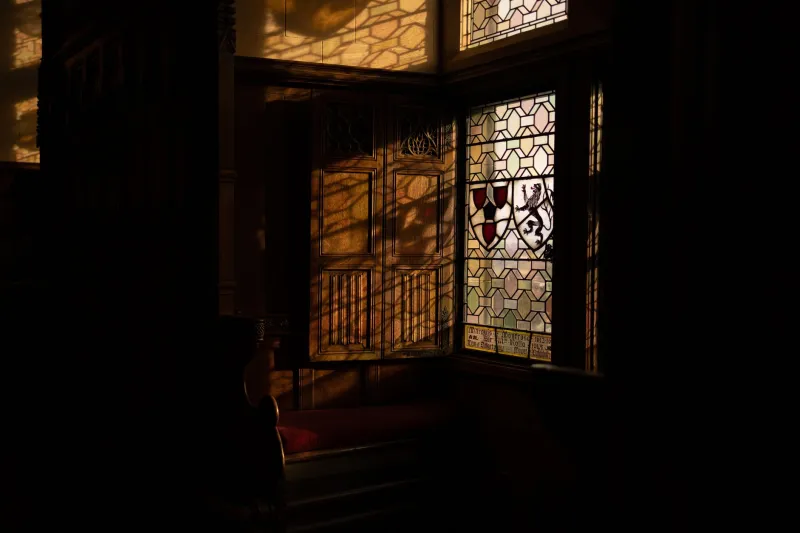
Beyond the Pew: Seven UK Stained Glass Gems That Aren’t Churches
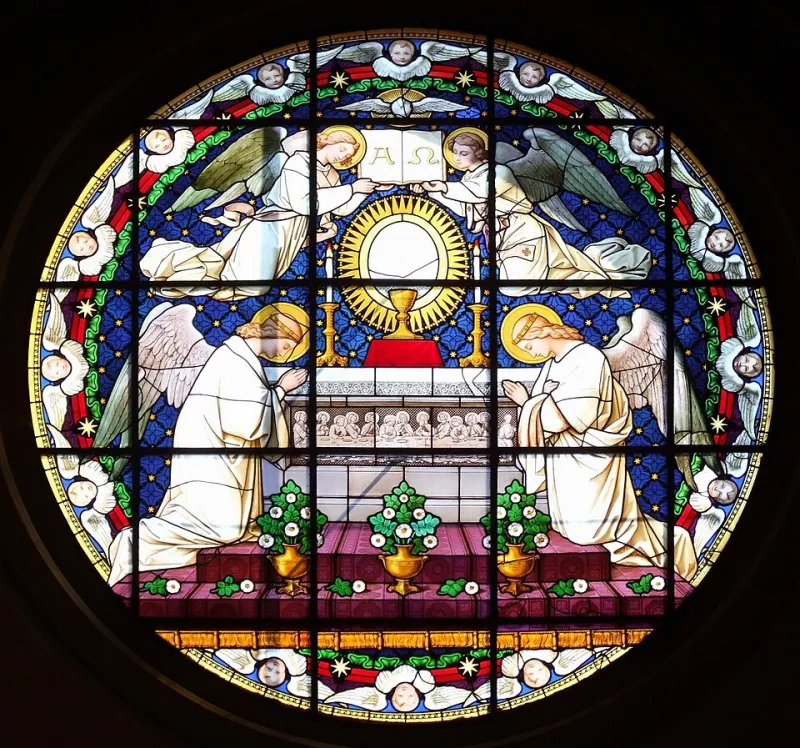
Photo: Pudelek (Marcin Szala), CC BY-SA 4.0, via Wikimedia Commons
At H&P Stained Glass we spend a lot of time with church windows, but some of the best glass in the UK never sees a congregation. It lives above pub snugs, in swimming bath changing rooms and on the landings of grand railway hotels. These windows were commissioned to sell, soothe, impress or simply light a room beautifully — and in 2026 many are cared for by conservation teams who would rather you looked closely than touched.
Here are seven favourites to add to a day out. Always check opening times before you travel; some are inside working buildings, and not every space is open to the public all week.
1. The Black Friar, London
This Art Nouveau pub near Blackfriars is a proper London surprise. The exterior is wedged into a triangular site, and inside the glass and copper work turn a quick pint into a design history lesson. Look for figurative panels and lettering rather than the usual frosted pub glass.
Visiting note: It is a working pub, so avoid peak lunch and after-work hours if you want to stare upwards in peace. The interior is listed, which is why so much survives.
2. The Crown Liquor Saloon, Belfast
A Victorian gin palace with snugs, tiles and glass that feels theatrical. The Crown is a great example of commercial stained glass used as branding: colour, pattern and a bit of swagger. It is also a reminder that pub glass often survives because it sits inside a protected interior.
Conservation insight: Heat, smoke and condensation are the enemies here. If you visit in winter, notice how much brighter the glass looks when the room is not fuggy.
3. John Rylands Library, Manchester
The reading room is the star, but the glass rewards a slow lap of the building. This is civic glass at its most ambitious — designed to make a library feel like a cathedral of learning without being a church. The neo-Gothic setting means the windows are part of the architecture, not a bolt-on.
Visiting note: It is free to enter, but it is a working library and study space. Keep voices low and check the website for any closures around events.
4. Victoria Baths, Manchester
An Edwardian swimming bath with more tile and glass than most churches. The windows here were part of the health-and-hygiene story: light, air and colour for the people of the city. Victoria Baths has been restored in stages, and the glass is a good place to see how conservation works in a building that was never meant to be a museum.
Practical note: Opening days are limited, so plan ahead. Look at the glazing bars and lead lines as well as the colour — that is where the age shows.
5. St Pancras Renaissance Hotel, London
The old Midland Grand Hotel is a Gothic Revival showstopper next to St Pancras International. The glass here was made to impress travellers and tell them they had arrived somewhere important. Even if you are not staying, public areas and bars can sometimes be visited; check before you turn up with a camera bag.
Look for: Patterned borders and heraldic details. Railway glass often uses repeat motifs because it had to work across long corridors and big windows.
6. The Rex Cinema, Berkhamsted
A restored 1930s cinema with period detail that makes a film feel like an event. Cinema glass is different from church glass: it is about glamour, escape and a little bit of sparkle in the foyer. The Rex is a lovely excuse to combine a matinee with a nose around the interior.
Visiting note: Book a film rather than asking for a tour. It is a working cinema, and the best way to see it is to buy a ticket and look up before the lights go down.
7. Liberty London
The department store has timber, tiles and a sense of theatre, and its decorative glass is part of the brand story. Commercial glass like this was designed to make shopping feel special — and it still does. Look for small panels and glazed screens rather than one big window.
Practical note: It is busy. Go early, take the stairs rather than the lift, and remember that conservation in retail spaces is a balance between access and protection.
A quick word on looking after what you see
Civic and commercial glass is often more exposed than church glass: doors slam, humidity rises, and thousands of people pass by. Lead can fatigue, putty can fail and old glass can bow. If you are visiting a heritage open day, ask the conservation team what they are watching for. It is a good way to learn without touching anything.
And if a window inspires you at home, that is where we come in. H&P Stained Glass works with homeowners and heritage teams, and we are always happy to talk about light, colour and the stories glass can carry — even when the setting is a pub, a pool or a picture house.