Inherited Glass, Intact Stories: A Homeowner’s Guide to Sensitive Repairs
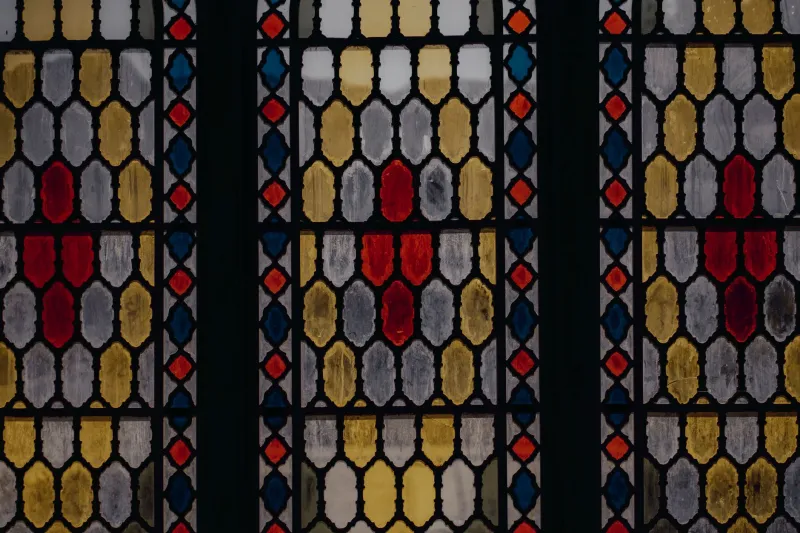
An inherited stained-glass panel rarely arrives with a manual. It might be a landing window from a terraced house, a front-door panel wrapped in a blanket, or a framed piece that has already moved twice. The instinct is to book a full restoration and make it look new. For family glass, that is often the wrong first move. The aim is usually to keep the original glass, lead, paint and story doing their job, not to erase every mark of age.
Begin with the paper trail, not the polish
Before anyone touches the panel, build a small archive. Photograph it in daylight and with a torch held at a low angle, front and back. Note where it came from, who owned it, any dates, initials, maker’s marks, inscriptions, old repair leads or scratched names. Keep receipts and old photographs in the same folder. If the panel is still in a door or window, photograph the surrounding frame and any damaged putty. Provenance is not just sentimental: a conservator will use it to decide what is original and what is a later addition.
Resist cleaning with vinegar, bleach, washing-up liquid or a pressure washer. Old painted glass can be softened by water; lead can be scratched; putty can crumble. A soft brush and a dry microfibre cloth are about as far as most owners should go before advice.
Cosmetic wear and structural failure are different problems
Cosmetic wear includes dull putty, surface grime, minor paint loss, small stable cracks and the general bloom that comes with age. Structural failure looks different: cracks that run through the glass and move under gentle pressure, loose or oxidised lead, broken solder joints, a panel that has sagged out of square, rusted saddle bars, water sitting in the frame, or rotten timber around the opening. A door panel that rattles when the door shuts is also telling you something.
If the panel is loose, do not carry it flat by the lead. Support it on a board. If it is still in place and the frame is rotten, avoid slamming doors and keep water out while you get advice.
Why conservation usually beats heavy restoration
Conservation-grade repair means stabilising what is there, using compatible materials, and making any intervention reversible where possible. Heavy restoration often means replacing glass, repainting figures, re-leading the whole panel and polishing the metal to a shine. That can be right for a badly damaged commercial window, but it is rarely the best first answer for an heirloom. Original glass has slight variations, bubbles and paint texture that new glass cannot copy. Historic repairs are part of the object’s history, too.
Ask for the smallest treatment that makes the panel safe and stable. Sometimes that is a clean, a few new lead joints and a new saddle bar. Sometimes it is a full re-lead because the old lead has failed. The condition report should explain why. At H&P Stained Glass, the sensible default is to keep the original fabric and let the repair be honest about its age.
Questions to put to a conservator
Look for someone with stained-glass conservation experience, not just general glazing. Membership of a recognised conservation body, relevant accreditation, insurance and a portfolio of church or domestic work are good starting points. Ask for a written condition report with photographs; a treatment proposal that separates essential stabilisation from optional cosmetic work; confirmation that original material will be retained wherever possible; details of materials and methods; a timescale; and a clear breakdown of costs. Ask who will remove and refit the panel, how it will be protected in transit, and what maintenance it will need afterwards. If the building is listed or in a conservation area, ask whether the work needs consent before anything is removed.
Also ask what they would not do. A good conservator will tell you when a panel is better left alone.
Fixes best left well alone
Stable historic cracks, slight unevenness, minor paint loss and old repairs are not automatic faults. Do not polish lead to a bright silver finish; do not scrub painted faces; do not replace plain quarries just because they are mismatched. Avoid sandwiching an old leaded panel tightly between sealed glazing without ventilation, and be wary of anyone who suggests sandblasting, harsh chemical cleaning or a complete repaint as a first step. If a panel is stable and dry, monitoring may be the most honest treatment.
A sensible plan for a hallway panel
Photograph and document it. Stabilise it where it sits, or move it on a rigid board. Get a condition report. Choose minimal repair. Refit with ventilation and a sound frame. Then check it twice a year for movement, water and loose putty. The history stays, and the glass gets to carry on doing its quiet job.