Shed Light, Not Shed Worries: Stained Glass for UK Garden Rooms
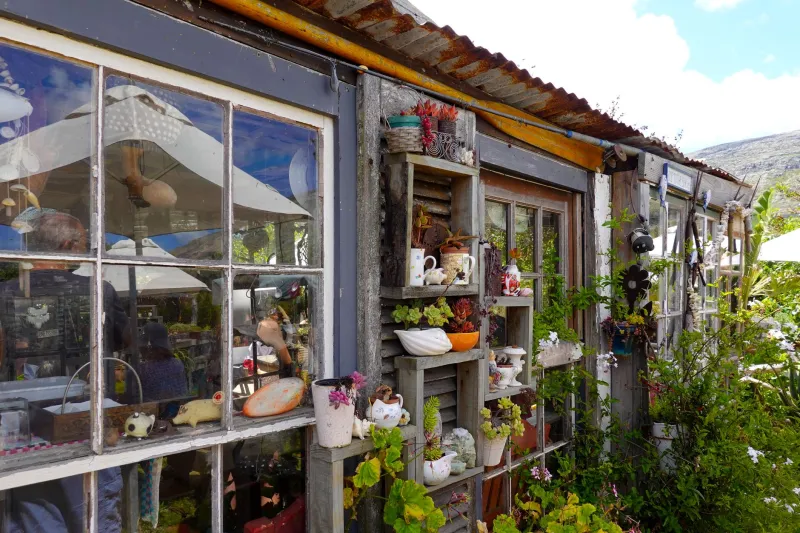
Garden buildings are a strange little branch of British architecture. They are part workshop, part retreat, part compost-adjacent storage facility, and they live in a climate that alternates between drizzle and full sun with very little warning. That makes them brilliant places for stained glass — and slightly fussy ones, too. A panel that would happily sit in a hallway for fifty years can start to look sorry for itself in an unheated shed if nobody has thought about ventilation, framing and security.
The good news is that a little planning sorts most of it. Whether you are glazing a single shed window, a summerhouse door or a row of studio side lights, the aim is the same: let the glass do its job without asking it to behave like a piece of domestic double glazing that has somehow wandered outdoors.
Start with the building, not the pattern
It is tempting to begin with colour and motif. Resist that for a moment. The building has the first word. Is it insulated? Does it have power? Is it used every day or opened in May and forgotten by September? A potting shed that is damp for half the year is a different proposition from a garden office with a heater, a desk and a kettle.
Take a proper look at the opening you have in mind. Is it north-facing and starved of direct sun, or does it catch the full afternoon blaze? Is the window low enough for a football to find it? Is the door glazed from top to bottom, or just in the top third? All of these details affect the glass specification far more than whether you fancy a heron or a geometric border.
If the building is old, check the frame before you fall in love with a design. Timber moves, putty dries out and old shed windows are often held together by optimism. A stained-glass panel needs a sound rebate and a frame that is not going to twist around it.
Weatherproofing is mostly about letting things breathe
External stained glass is not fragile in the way people imagine, but it does dislike being trapped in a puddle of its own condensation. Lead came and putty are traditional and perfectly capable of surviving British weather when they are properly made, installed and maintained. What they do not enjoy is being sealed into a damp box with no drainage and no air movement.
Ask your maker how the panel is to be fixed and how water will escape if it gets behind the glass. A small drainage path and some ventilation are not glamorous, but they are the difference between a panel that ages gracefully and one that grows a green fringe along the bottom. If the building is unheated and heavily used in winter, talk about condensation early. Sometimes the answer is a ventilated cavity, sometimes it is a sealed unit, sometimes it is simply accepting that a shed is a shed and specifying accordingly.
For doors and low windows, safety matters. A pane close to the floor or beside a door is not the place for ordinary annealed glass. Toughened or laminated glass, or a properly encapsulated stained-glass unit, may be the sensible route. This is one of those questions to settle before the design is finalised, because it can affect the thickness and fixing details.
Security without turning the shed into a fortress
Garden buildings are, regrettably, attractive to people who enjoy other people’s tools. Stained glass can look like a weak point, but it does not have to be one. A robust frame, good locks and internal beading do more for security than a grim-looking grille. If the window is vulnerable, laminated glass or a protective secondary pane can be worked into the scheme without ruining the effect.
It is also worth thinking about what the glass looks like from outside. A shed window viewed from the lawn is part of the garden composition. A dense, dark design may read as a lovely glowing panel from inside and a murky rectangle from the patio. Small buildings often suit lighter, more open patterns with a few strong shapes rather than a crowded scene.
Motifs that work with a garden view
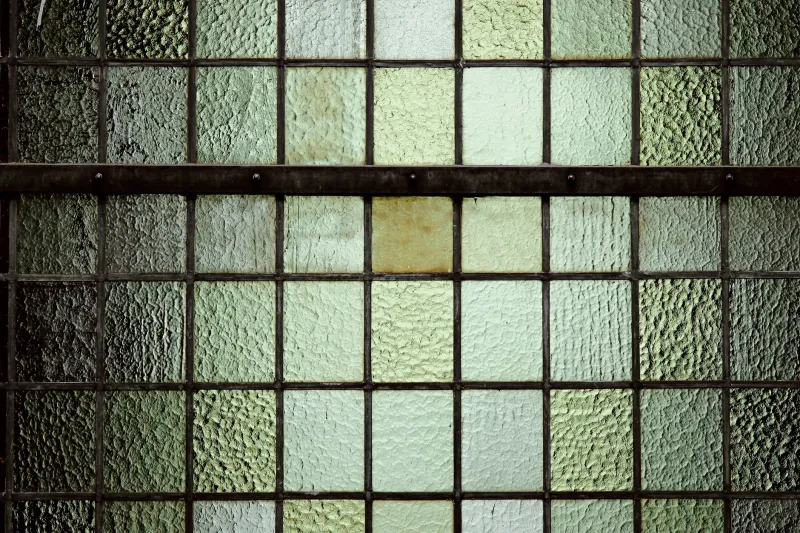
This is where the fun starts. A garden building already has a view, even if the view is mostly fence and wheelie bin. The glass should add to it rather than fight it. Simple foliage, abstract seed heads, reeds, birds in silhouette, soft geometric repeats and bands of green, amber and pale blue all tend to sit comfortably among plants. Deep saturated reds and dense black borders can be wonderful in a church, but in a tiny shed window they may close the view down.
Consider the seasons. A panel that is gorgeous in July may be dull in February if it relies entirely on bright sunlight. Pale opalescent glass and a few clear or textured pieces can keep things alive on grey days. If the window faces a boundary hedge or a shed wall, you might lean towards a design that is rewarding to look at from inside, since the outside view is not doing much heavy lifting.
Text is possible, but keep it short. A date, a name or a few words can be charming in a studio door. A long quotation in a potting shed is likely to be read once and then ignored behind the secateurs.
Fixing, planning and the questions to ask first
Most garden buildings do not need planning permission for a bit of decorative glazing, but larger structures, listed buildings, conservation areas and boundary positions can complicate matters. If the building is listed or sits within a sensitive setting, check before you commission. The glass itself is rarely the issue; the frame, the opening and the building’s status usually are.
Before the panel is made, sort out who is fitting it. Some stained-glass studios supply only; others work with a joiner or glazier. You will need an accurate template of the opening, the rebate depth and a clear idea of how the panel will be held in place. Do not let anyone trim or force a finished panel to fit a wonky frame. That is how cracks begin.
Once it is in, maintenance is modest. Clean gently, avoid pressure washers, and check the putty and lead every so often. A garden room is not a cathedral, and its glass does not need to be treated like one — but a little attention keeps the whole thing glowing for years.
At H&P Stained Glass, the pleasure of these commissions is the scale. A shed window is small enough to be experimental and useful enough to be worth doing properly. Get the weatherproofing and fixing right, choose a pattern that respects the garden, and the glass will do the rest: turning a practical little building into somewhere you actually want to sit with a cup of tea.